Three Years of Power Shifting: What I've Learned
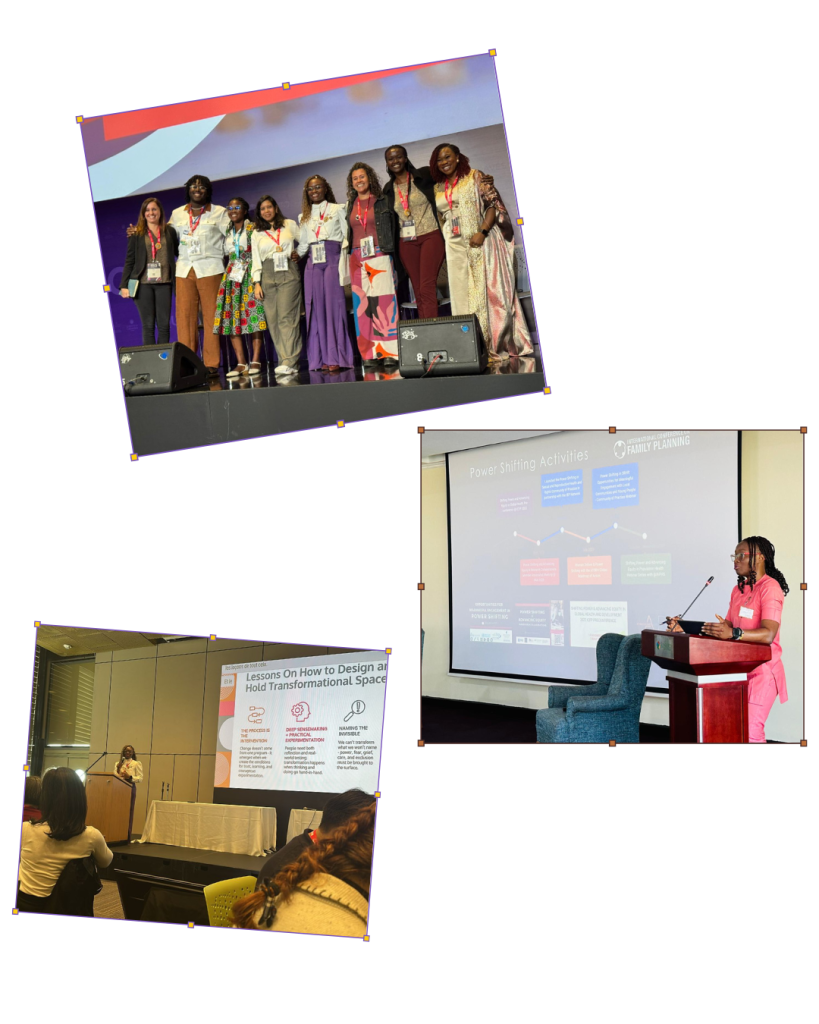
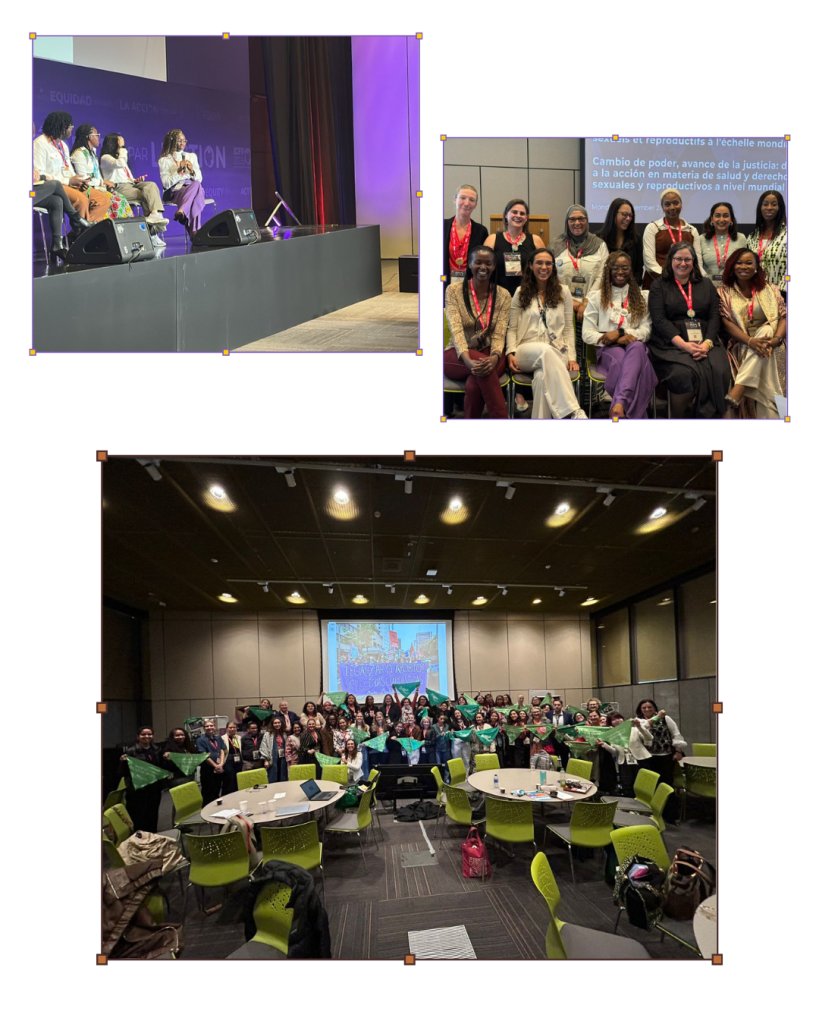
On November 3rd, I stood in front of over 350 colleagues in Bogotá for the ICFP2025 Power Shifting Pre-Conference, and I realized: we’ve been building this work together since 2022, and the questions have only gotten harder.
When we started the Power Shifting Subcommittee at ICFP2022, “power shifting” felt aspirational, necessary, possible. Three years and 697 Community of Practice members later, organizations I’ve worked with are closing. Young activists are asking questions we don’t have answers to. And the gap between our rhetoric and practice feels wider than ever. Dr. Tlaleng Mofokeng opened our pre-conference with a challenge that has stayed with me:
“Don’t celebrate how resilient we are—we are tired of being resilient.”
What coordinating this work across continents has taught me:
Communities already know what needs to happen. At the Nigerian Family Planning Conference, local partners didn’t need us to tell them what power shifting means—they needed us to stop extracting their knowledge without compensation, to stop designing programs for them rather than with them. The problem isn’t lack of community knowledge. It’s that those with resources won’t cede them.
Power needs to circulate, not just shift once. From Thailand 2022 to Bogotá, I’ve watched us evolve from talking about one-time transfers to understanding transformation requires ongoing circulation. But here’s the lesson: every time we’ve rushed this to meet a funder timeline, we’ve reproduced the very extraction we oppose. Trust-building takes time. That’s not negotiable.
Young people are telling us what we don’t want to hear. They’re invited to speak but not resourced to lead. Celebrated for their “energy” but not supported with infrastructure to sustain work or protect themselves. After coordinating dialogues across multiple conferences, this isn’t a communication problem—it’s resource redistribution we’re refusing to do.
Geography reveals power asymmetries we ignore. Organizations struggling most with six-month reserves? Not in DC or Geneva. Activists facing sophisticated opposition? In contexts where civic space is closing. Researchers excluded from “global” knowledge production? Working in languages other than English, in institutions without big names. “Global” conversations are often just Western conversations with better marketing.
The sector is in survival mode. Organizations stressed in 2022 were restructuring by 2024. By Bogotá, they were closing. Rukia from Kenya: “We had to get rid of three projects and the young people are looking at us. We don’t know what to say.” Sixty-two percent of nonprofits have less than six months of reserves. How do we transform while uncertain our organizations will exist in six months?
“Global” conversations are often just Western conversations with better marketing.
Our opposition is better resourced. While SRHR organizations scramble for six-month reserves, anti-rights movements operate with multi-year strategies and sophisticated cross-border coordination. We need infrastructure for sustained response, not just individual organization survival.
What needs to change:
For conveners like me: Move beyond conversations to accountability mechanisms. Name who needs to do what by when, with consequences for inaction.
For funders: Stop commissioning reports on locally-led development. Start redistributing decision-making power. Let communities define success indicators and control timelines.
For INGOs: End the localization rhetoric. Either genuinely cede control or be honest you’re not willing to transform.
For researchers: Epistemic justice means communities decide research priorities, own the data, control how findings are used. Pay activists for their knowledge.
For all of us: Stop celebrating resilience. Change the conditions that make it necessary.
We need infrastructure for sustained response, not just individual organization survival.
The question I’m sitting with:
After three years, I keep coming back to Dr. Tlaleng’s challenge:
“How many of us are ready to put our skin in the game?”
We’ve had the conversations. We’ve mapped futures. We’ve created frameworks. The question is whether those of us with power—and yes, that includes me coordinating this subcommittee with access to platforms many don’t have—are willing to actually redistribute it. Not talk about it. Actually do it.
Standing in Bogotá, watching colleagues figure out how to respond to young people whose projects got cut, watching activists describe fighting battles on too many fronts, watching everyone nod when someone said they’re tired of being resilient—I realized transformation isn’t coming from above. It’s emerging from the cracks in systems already breaking.
The conversation phase is over. What comes next requires courage none of us have fully mustered yet.
—
To my colleagues in SRHR, global health, and development: What would change if we stopped waiting for permission and simply started redistributing power? What if funders actually trusted communities? If INGOs genuinely ceded control? If researchers recognized lived experience as expertise? If youth activists were resourced to lead, not just speak?
Are we ready to put our skin in the game?
#PowerShifting #ICFP2025 #GlobalHealth #SRHR #LocallyLed #YouthLeadership #TrustBasedPhilanthropy